Arizona's most comprehensive collection of Historic Information and Real Estate in the Downtown and Central Neighborhoods of Phoenix Arizona.

Feb. 13, 2025

Phoenix Has the Lowest Property Taxes Among Major U.S. Cities—And Even Bigger Savings for Historic Homeowners!

When it comes to affordability in major U.S. cities, Phoenix stands out as one of the best places to own a home—especially when you consider property taxes. Among the 12 largest cities in the country, Phoenix boasts the lowest effective property tax rate, currently sitting at approximately 0.56%. This means homeowners here enjoy significantly lower annual tax bills compared to cities like Chicago, Houston, and Philadelphia, where tax rates can be two to four times higher. Lower property taxes not only make homeownership more affordable but also allow homeowners to invest more in their properties, whether through renovations, landscaping, or other personal touches that enhance their living experience.

For those who own historic properties in Phoenix, the savings get even better. The city offers a substantial tax break for qualifying historic homes, allowing homeowners to enjoy even lower property tax rates. This incentive makes preserving and restoring Phoenix’s charming historic neighborhoods not only a passion project but also a smart financial decision. Whether you're considering buying a home or investing in real estate, Phoenix’s favorable tax structure is yet another reason why this city continues to attract homeowners looking for value, affordability, and long-term growth.

Property tax rates in the United States vary significantly across cities due to local policies, property values, and funding requirements for public services. Below is an overview of the effective property tax rates for the 12 largest U.S. cities:

property tax rates of the 12 largest U.S. cities

12. Chicago, IL - $20,800 for a $1M valuation

  • Effective Property Tax Rate: Approximately 2.08%
  • Details: Chicago's property tax rates are among the highest in the nation, contributing to a significant tax burden on homeowners.

11. San Antonio, TX - $20,400 for a $1M valuation

  • Effective Property Tax Rate: Approximately 2.04%
  • Details: Similar to other Texas cities, San Antonio has higher property tax rates due to the state's tax structure.

10. Austin, TX - $17,000 for a $1M valuation

  • Effective Property Tax Rate: Approximately 1.70%
  • Details: Austin's property tax rates are higher due to Texas's property tax system.

9. Houston, TX - $17,000 for a $1M valuation

  • Effective Property Tax Rate: Approximately 1.70%
  • Details: Texas cities, including Houston, have higher property tax rates due to the state's reliance on property taxes for local funding.

8. Dallas, TX - $17,000 for a $1M valuation

  • Effective Property Tax Rate: Approximately 1.70%
  • Details: Dallas, like other Texas cities, has higher property tax rates due to the state's reliance on property taxes.

7. Philadelphia, PA - $13,400 for a $1M valuation

  • Effective Property Tax Rate: Approximately 1.34%
  • Details: Philadelphia's property tax rates are higher than the national average, impacting homeowners' tax obligations.

6. New York City, NY - $8,800.00 for a $1M valuation

  • Effective Property Tax Rate: Approximately 0.88%
  • Details: New York City's property tax rates are relatively low compared to other major U.S. cities, contributing to its overall affordability.

5. Jacksonville, FL - $8,300 for a $1M valuation

  • Effective Property Tax Rate: Approximately 0.83%
  • Details: Jacksonville's property tax rates are relatively moderate compared to other major U.S. cities.

4. Los Angeles, CA - $7,400 for a $1M valuation

  • Effective Property Tax Rate: Approximately 0.74%
  • Details: Los Angeles benefits from Proposition 13, which limits property tax rates and increases, keeping them relatively low.

3. San Diego, CA - $7,400 for a $1M valuation

  • Effective Property Tax Rate: Approximately 0.74%
  • Details: San Diego benefits from Proposition 13, keeping property tax rates relatively low.

2. San Jose, CA - $7,400 for a $1M valuation

  • Effective Property Tax Rate: Approximately 0.74%
  • Details: San Jose benefits from Proposition 13, maintaining lower property tax rates.

1. Phoenix, AZ - $5,600 for a $1M valuation

  • Effective Property Tax Rate: Approximately 0.56%
  • Details: Phoenix benefits from relatively low property tax rates, contributing to its overall affordability.


Note: These rates are approximate and can vary based on specific local assessments and exemptions. For the most accurate and current information, it's advisable to consult local tax authorities or official city resources.

State Historic Property Tax Program

The Arizona State Historic Property Tax Program provides eligible property owners with a significant reduction to their state property tax assessment. This 15-year agreement mandates that the property must be maintained according to the standards set by the federal government and Arizona State Parks Board, and is only applicable to properties used for non-income producing activities. To be eligible for the program, the property must be listed on the National Register of Historic Places either individually or as a contributor to a historic district.

The State Historic Preservation Office (SHPO) manages the program in collaboration with county assessor offices, with SHPO determining eligibility and monitoring property maintenance and the county assessor handling tax classification changes, property value issues, and tax calculation. The property must meet the minimum maintenance standards established by the State Parks Board. The program is governed by ARS § 42-12101 and ARS § 42-12102 through §42-12108, and is operated according to rules established in the Arizona Administrative Code (12-8-306).

Tax Reclassification Form 

State of Arizona Historic Property Reclassification Application for Residential, Owner-Occupied Properties: Application and Instructions

Owner Requirements

The program can reduce your property taxes between 35-45%. (The exact figure is dependent on special assessments which are specific to your area. Questions regarding the amount of the reduction should be directed to your county assessor’s office.) As a condition of the reduced tax rate, the owner enters into a 15-year agreement with the state, consenting to maintain their property and to preserve the integrity of its historic features, materials, appearance, workmanship, and environment.

If the owner plans to do any work on the property that will impact its public appearance, SHPO must be contacted for review and comment or approval before project implementation. All such projects are reviewed for appropriateness according to a set of national guidelines called the Secretary of the Interior's Standards for Rehabilitation. You are required to notify SHPO when the property ownership or property use changes.

How to Apply

Applications can be obtained from your County Assessor's Office, SHPO, or here. The application can also be printed from the link below. The application requires two photographs (showing a front view and an angled view of the front and one side of the property; see this example and should be mailed or delivered to the county assessor’s office by June 30 in order to be enrolled for the following tax year. (For example, an application approved by August 1, 2023 will qualify a property for the reduction in the 2024 tax year.) DO NOT submit Polaroid photos. Standard 4x6 snapshots or digital photos printed out are acceptable. Applicants are notified within 30 days whether or not the property has been certified into the program. At the same time, the county assessor’s office is notified of the application's disposition.

If you have questions about the program, review the documents below or contact SHPO at 602-542-4009.

More information:


Forms


Standards, Rules, and Statutes

Posted in Articles
Feb. 11, 2025

The Health Benefits of Living in a Walkable Neighborhood

The Health Benefits of Living in a Walkable Neighborhood

Imagine stepping out of your front door and having everything you need within a short stroll—cafés, parks, grocery stores, and even your workplace. Sounds idyllic, right? This is the reality for residents of walkable neighborhoods, where the design of the community encourages walking over driving. But beyond the convenience, living in such areas offers a plethora of health benefits that might surprise you.

Physical Health Benefits

Living in a walkable neighborhood naturally integrates more physical activity into your daily routine. Instead of hopping into a car for every errand, you're more likely to walk or bike, leading to increased daily exercise. This uptick in activity can help reduce obesity rates and lower the risk of chronic diseases like heart disease and diabetes.

Imagine stepping out of your front door and having everything you need within a short stroll—cafés, parks, grocery stores, and even your workplace. Sounds idyllic, right? This is the reality for residents of walkable neighborhoods, where the design of the community encourages walking over driving. But beyond the convenience, living in such areas offers a plethora of health benefits that might surprise you.

Mental Health Advantages

It's not just your body that benefits—your mind does too. Regular physical activity, like walking, has been shown to reduce stress levels and improve mood. The simple act of walking can release endorphins, those feel-good hormones, leading to enhanced mental well-being. Plus, being outdoors and engaging with your community can boost cognitive function and decrease feelings of depression.


Social Benefits

Walkable neighborhoods foster a sense of community. With more people on the streets, there's a higher chance of spontaneous social interactions, which can strengthen community bonds. Knowing your neighbors and feeling connected can enhance your sense of belonging and overall happiness.


Environmental Advantages

Choosing to walk over drive reduces your carbon footprint, leading to improved air quality in your community. Fewer cars mean less pollution and a healthier environment for everyone. Additionally, walkable areas often prioritize the preservation of green spaces, providing residents with parks and natural areas to enjoy.


Economic Benefits

Think about the money saved on gas, car maintenance, and parking when you opt to walk. Residents in walkable neighborhoods often find they save on transportation costs. Moreover, these areas tend to have higher property values, and the increased foot traffic supports local businesses, boosting the local economy.


Safety Improvements

With more pedestrians and fewer cars, traffic accidents tend to decrease. Walkable neighborhoods often implement traffic-calming measures, making streets safer for everyone, especially children and the elderly. A bustling pedestrian presence can also deter crime, contributing to a safer community overall.


Accessibility and Convenience

Having essential services within walking distance means you can easily access what you need without the hassle of driving. Proximity to amenities like grocery stores, schools, and healthcare facilities enhances convenience. Plus, many walkable neighborhoods offer excellent public transportation options, further reducing the need for a personal vehicle.


Case Studies

European cities often exemplify walkability. For instance, Zurich boasts that 99.2% of its residents live within a 15-minute walk of essential services. Closer to home, the Culdesac neighborhood in Tempe, Arizona, has embraced a car-free lifestyle, creating a community where walking and biking are the primary modes of transportation.


Challenges to Walkability

Despite the benefits, not all neighborhoods are walkable. Urban sprawl and a reliance on cars can hinder walkability. Inadequate infrastructure, like missing sidewalks or unsafe crossings, poses challenges. Additionally, factors like extreme weather can deter people from walking, even in well-designed areas.


Strategies to Improve Walkability

Improving walkability requires thoughtful urban planning and policy changes. Communities can advocate for better pedestrian infrastructure, such as sidewalks and crosswalks. Investing in public transportation and creating mixed-use developments can also enhance walkability. Community initiatives, like organizing walking groups or advocating for traffic-calming measures, play a crucial role too.


Personal Stories

Many residents of walkable neighborhoods report significant health improvements. For example, individuals who moved to such areas often find they engage in more physical activity and feel more connected to their community. These personal experiences highlight the transformative power of walkable living.


Future of Walkable Communities

The trend toward walkable communities is gaining momentum. Urban developers are increasingly recognizing the demand for walkable spaces. Innovations in technology, like apps that map out pedestrian-friendly routes, are also contributing. As cities continue to grow, the focus on creating walkable, livable spaces is likely to remain a priority.


Conclusion


Embracing a walkable lifestyle offers numerous health benefits, from improved physical health to enhanced mental well-being. By advocating for and supporting walkable communities, we can create healthier, happier, and more connected neighborhoods. So, next time you have the option, consider taking a stroll—you might be surprised at the positive impact it can have.

Posted in Articles
March 6, 2018

Phoenix sees major rejuvenation ‘between the Sevens’

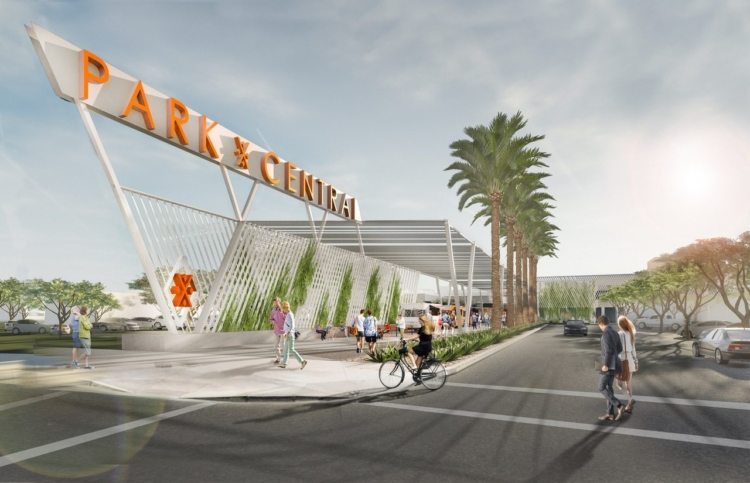
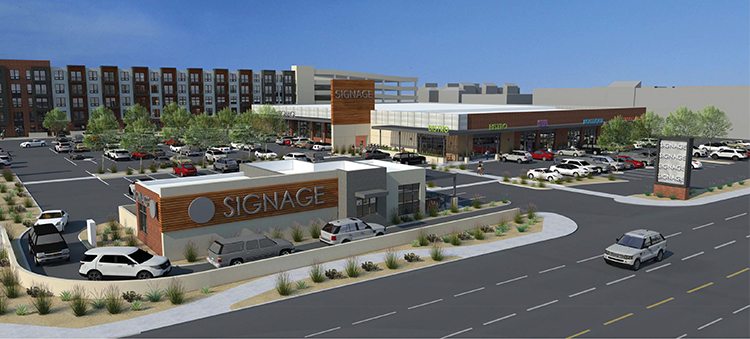
Above: Known as the Link, it was designed to strengthen Park Central's presence and brand. (Renderings courtesy of Plaza Companies)REAL ESTATE | 20 Feb | 

Some of Phoenix’s most desirable neighborhoods to live can be found in an area that’s commonly referred to as “between the sevens,” which is the region between Seventh Avenue and Seventh Street throughout Downtown, Midtown and Uptown Phoenix.  

Home to historical neighborhoods like “The Windsor,” prominent office buildings and iconic retail centers, the area between the sevens is also becoming an increasingly attractive place to work and play as new commercial real estate projects take shape, blending modern needs with the area’s rich history.  

The latest projects range from adaptive reuse transformations of a former grocery store and other businesses into multifamily communities or trendy bars and restaurants. It also includes the modernization of older office buildings to meet current standards with lots of natural light, high ceilings, large open floorplates and easy connection to amenities.

Whether its people or companies, everyone is looking for a connected place that’s walkable, vibrant and linked to other amenities and uses, says City of Phoenix Economic Development Director Christine Mackay.  

In addition to providing great transit options such as light rail, buses and the Grid Bike Share program to get around, Midtown and Uptown also boasts incredible dining and shopping options as well as prime office locations for major corporate companies.  

Mackay says the rejuvenation of Midtown started in 2016 when Banner Health moved its corporate headquarters to the Banner Corporate Center on Thomas and Central avenues.  

Banner retrofitted an old building, bringing it to the 21st century, explains Mackay, which signaled to other large corporate tenants that the area and surrounding communities would support regional and/or national headquarters.  

From there, the 2828 North Central building renovated its bottom floor to include a co-working shared space that’s currently occupied by Mod Phoenix. Meanwhile, the owners of the 2020 On Central building renovated all of its lobbies and shared spaces, which eventually led Facility Source to lease office space.  

“Those three things really set the stage for other building owners to come in and start making dramatic changes,” Mackay says.  

Now, Midtown is experiencing office renovations across the board because so many of the existing buildings were constructed in the 1970s and 80s.  

Mackay also describes an incredible and growing demand to live in Midtown and Uptown. “It’s cultured. It has night life, distinctive dining and pretty much everything is local. It’s exactly what people are looking for today,” she says. 

In addition to new office product and multifamily units, the area between the sevens has also seen a surge in new retail projects as it’s becoming more widely well-known as a foodie hotspot with an eclectic and tasty mix for restaurants and bars.  

Mackay says, “The restaurants, culture and nightlife is really what’s drawing people into this Central City to live.” In fact, she says, there are not less than 100 restaurants in that area for people to choose from.  

Mackay points to the success of projects like The Yard, along Seventh Street and Missouri Avenue, as an example of the pent-up demand for restaurants nearby, which has spurred other retail and dining destinations to follow like The Colony, built by LGE Design Build in 2016.  

Looking ahead throughout Midtown, Mackay says, the renovations of Park Central Mall is “the last missing piece before the area returns to full throttle.” Meanwhile in Uptown, she predicts, the completion of Arrive Phoenix will “really prove the market and show what a destination hotel looks like in that area.”  

ARRIVE Phoenix

DEVELOPER: Vintage Partners; Venue Projects 

GENERAL CONTRACTOR: Venue Projects 

ARCHITECT: Arrive Hotel & Restaurants  

LOCATION: 400 & 444 W. Camelback Rd., Phoenix  

SIZE: 45,000 SF; 79-rooms 

VALUE: $20M 

START/COMPLETION: Q1 2018 – Q4 2018 

Located at what’s been called the Valley’s “hottest intersection” by the Urban Land Institute of Arizona, the project transforms a trio of mid-century gems into Uptown Phoenix’s newest dining, entertainment and urban hotel hub. The two-acre site will also host a boutique coffee shop, poolside taco bar, gourmet ice creamery, and nautical-themed rooftop craft cocktail bar featuring 360-degree city views. For the project, Vintage Partners teamed up with Venue Projects, the visionary developers behind The Newtown and other successful adaptive reuse projects like Windsor/Churn and The Orchard along Central Avenue. 

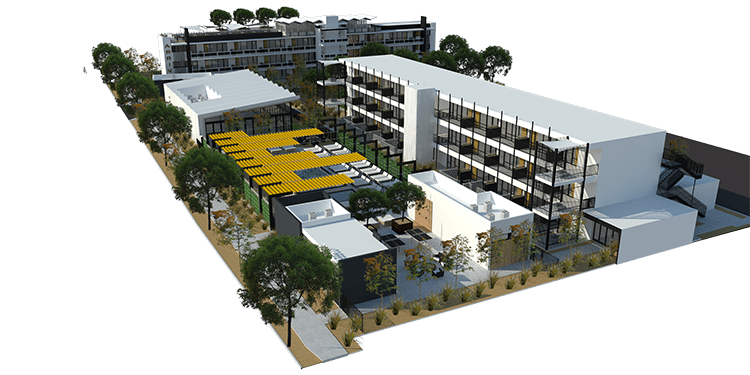
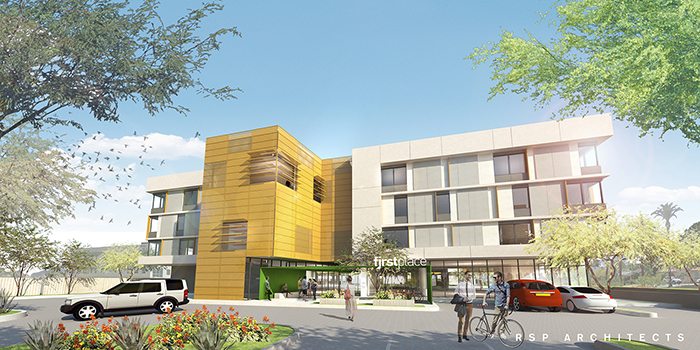
First Place-Phoenix

DEVELOPER: First Place AZ 

GENERAL CONTRACTOR: hardison/downey construction 

ARCHITECT: RSP Architects  

LOCATION: 3001 N. Third St., Phoenix  

SIZE: 81,525 SF; 56-units 

VALUE: $15M 

START/COMPLETION: January 2017 – March 2018 

The $15 million residential property for adults with autism and other neuro-diversities will be a first-of-its-kind facility that First Place AZ plans to expand into a worldwide model. First Place AZ Founder, President and CEO Denise Resnik started the nonprofit to ensure that housing and community options are as bountiful for people with autism and other neuro-diversities as they are for everyone else. The project provides a one-of-a-kind approach that combines apartments, a residential training program and a national leadership institute to advance more independent and community integrated living options. 

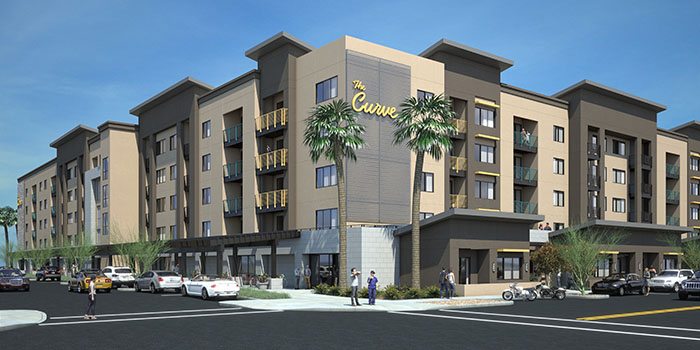
The Curve at Melrose

DEVELOPER: P.B. Bell 

GENERAL CONTRACTOR: M.T. Builders 

ARCHITECT: Studio 15 Architecture Inc. 

LOCATION: 4333 N. Sixth Dr., Phoenix 

SIZE: 204-units; 308,618 SF 

START/COMPLETION: August 2016 – Early 2018 

The Curve will consist of 204-luxury apartments in a vibrant and eclectic urban Melrose District neighborhood positioned within walking distance of Indian Steele Park, light rail as well as numerous locally owned shops and restaurants. Included in the property’s luxury amenities are several that were selected by public vote in 2015, which include a resort-style pool and spa along with an outdoor kitchen and gas grills. P.B. Bell also worked with the Seventh Avenue Merchants Association on plans to reserve three display windows at the property to spotlight community-curated work and displays. 

The Osborn

DEVELOPER: Trammell Crow Company; High Street Residential 

GENERAL CONTRACTOR: Chasse Building Team 

ARCHITECT: ESG Architects 

LOCATION: SWC of Seventh Avenue & Osborn Road, Phoenix 

SIZE: 190-units; 45,000 SF (retail) 

START/COMPLETION: July 2017 – August 2019 

The Osborn is a mixed-use grocery anchored retail shopping center and multifamily development. The project sits on a 5.96-acre site located in the heart of Midtown Phoenix where the city’s oldest Bashas’ grocey store, originally built in 1956, used to be located. The site benefits from immediate adjacency to many major employers, desirable affluent neighborhoods, abundance of social venues and high visibility with over 50,000 vehicles passing per day. 

Uptown Plaza

DEVELOPER: Vintage Partners 

GENERAL CONTRACTOR: Kitchell 

ARCHITECT: Nelsen Partners 

LOCATION: 100 E. Camelback Rd., Phoenix 

SIZE: 116,787 SF 

START/COMPLETION: 2014 – June 2016 

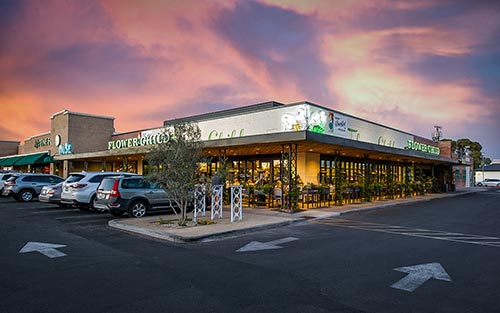
The Valley’s first retail center located outside of Downtown Phoenix is being restored to its former glory and street appeal as a result of wall-to-wall renovations over the last three years. The property’s renovation aims to restore this iconic shopping center — originally constructed in 1955 by the Del Webb Co. — to its stylish brick-lined, mid-century roots and appeal. The 11-acre renovation includes restoring the original brick façade, adding new landscaping and successfully securing a variety of local, regional and national tenants like Shake Shack, Lou Malnati’s Pizzeria, Huss Brewing Company’s flagship taproom, Creamistry, Flower Child and more. The latest phase included updates to the exterior of AJ’s Fine Foods. 

The Grid

DEVELOPER: ABI Multifamily 

GENERAL CONTRACTOR: Alexander Building Company 

ARCHITECT: Corgan 

LOCATION: 5227 N. Seventh St., Phoenix 

SIZE: 16,281 SF 

VALUE: $3M 

START/COMPLETION: Q4 2017 – Q2 2018 

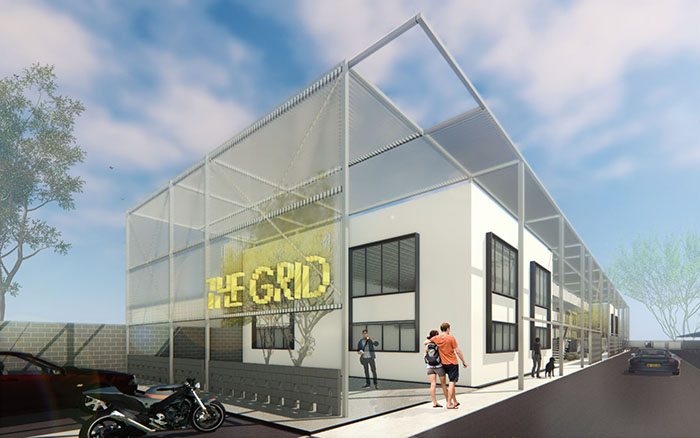
The two-story adaptive reuse project will transform the former Uptown Phoenix office building into a refreshed Class A office for ABI Multifamily on the top floor and co-working space on the first floor. A large multipurpose room will be used for entertaining, training and a yoga room open to the community. The design repurposed raw industrial materials, while still maintaining a sleek modern feel. In addition, a perforated metal canopy and second skin will be added to create new dynamic exterior spaces while protecting the building from the harsh summer sun of the desert. 

Dignity Health Third Avenue Parking Garage Expansion

DEVELOPER: Dignity Health 

GENERAL CONTRACTOR: JE Dunn Construction 

ARCHITECT: GLHN Architects & Engineers  

LOCATION: 2929 N. Third Ave., Phoenix 

SIZE: 177,000 SF 

VALUE: $11M 

START/COMPLETION: December 2017 – July 2018 

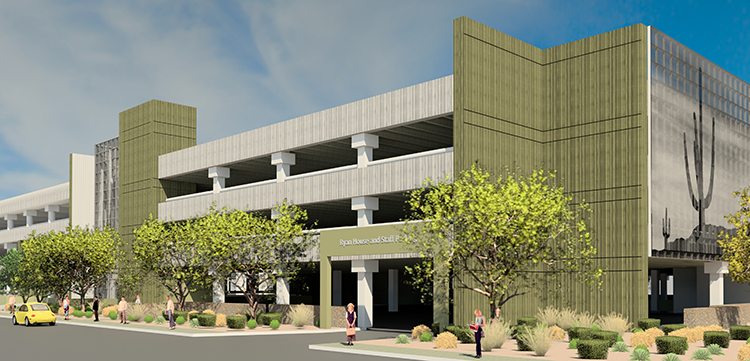
While the area’s public transit options like buses, light rail and Grid bikes have made commutes easier, parking is often a top-concern for companies and tenants considering a move to the Central City. That’s why the Dignity Health’s St. Joseph’s Hospital and Medical Center in Phoenix is embarking on a campus-wide parking solution that will add approximately 500 new spaces. 

Park Central

DEVELOPER: Plaza Companies; Holualoa Companies 

GENERAL CONTRACTOR: DPR Construction 

ARCHITECT: richärd+bauer architecture 

LOCATION: 3121 N. Third Ave., Phoenix 

SIZE: 337,000 SF 

VALUE: $57M 

START/COMPLETION: Q4 2017 – Fall 2018 

“Our goal is to transform Park Central into a truly innovative and exceptional work environment for companies in the ‘New Economy,’” says Sharon Harper, president and CEO of Plaza Companies, which also led the the successful transformation of the Los Arcos Mall in Scottsdale into the ASU Scottsdale Innovation Center – SkySong. As Phoenix’s first-ever mall, Park Central benefits from an exceptional location and unique retail history. In total, 337,000 square feet will be revitalized into several distinct districts, each with its own identity.  

Posted in Articles
Oct. 19, 2016

Mid-Century Gem with Midtown Location!

1326 E Verde Lane, Phoenix, AZ 85014

$437,000 3 BD 2.0 BA 1,916 SqFt


1326 E Verde Lane, Phoenix, AZ 85014

THIS IS IT!!

Nestled and situated on a very large culdesac lot between the Phoenix Country Club & Cheery Lynn Historic district is this wonderful mid-century gem with a midtown location convenient to everything!!

Owners have lovingly cared for & upgraded just about everything from flooring, kitchen, baths, new windows, A/C and tons of landscaping! Bedroom sizes are large for this vintage! Master w/ walk-in closet & ensuite w/ your own private exit to backyard/pool. Open concept floor plan is an entertainers dream w/ modern flare & design yet maintaining many of the original characteristics.

Quite possibly the best lot in Country Club Terrace! Come see today and experience why this small enclave of culdesacs is being transformed with many mid century renovations occuring now! HURRY! Click HERE for more photos!

Posted in
Aug. 8, 2016

Creative Writers Wanted

Attention Creative Writers, Students, Reporters and Staff Writers:

Historic Phoenix is in need of a part-time creative writer to assist with writing articles and biographies on the website and accompanying agents and photographers on location to our newest listings.  

This position will be a lot of fun for most people. We're a friendly bunch, and you'll be meeting with homeowners, seeing some beautiful homes and you'll be responsible for writing about them! In addition, we have a large informative website and a popular Facebook Page, and we'd love to feature some of your work here, too..  

Please take a look at a few of our individual property websites for examples of what we've written in the past and what style of writing we're looking for.. 

1502 West Lewis Avenue

1521 West Frier Drive

65 West Virginia Avenue

If you've got the skills and you're available to meet at Central Phoenix properties a few times per month (usually in the early evening) - then, send us some of your work to read and we'll be in touch. 

Please send links or pdfs to: donmertes1@icloud.com

Thank you!
Don and the team at Historic Phoenix

Posted in
July 16, 2016

The Dog Days Of Summer Event

ALL OF US AT HISTORIC PHOENIX ARE HUGE DOG LOVERS.


We envision our future offices – amongst marketing staff, photographers, desks and equipment – with plenty of dog beds filled with lazy pups and mangled toys. Zach will work right along side Raffi, his rescued Pittie mix that he brought home from a local rescue and Don will have Penelope (rescued Pittie Mix adopted from MAIN) and Shiloh (Bearded Collie from Urban Rescues) playing quietly next to his desk while he works away. Sigh.. Someday. 

We've gotten busier over the years as Central Phoenix has gained in popularity, and finding time to play with shelter dogs and volunteer at our local rescues has become harder and harder. But, seeing the faces of these pups day in and day out on our social media feeds says one thing abundantly clear; They still need our help. 

So Historic Phoenix is partnering with rescues all over the valley for The Dog Days Of Summer.


FROM NOW UNTIL THE END OF SEPTEMBER -
WE WILL DONATE 10% OF OUR COMMISSION TO A LOCAL RESCUE OF YOUR CHOOSING*
FOR EVERY CLIENT THAT ENLISTS OUR HELP TO SELL A HOME OR FIND A NEW ONE!**


*   Rescue must complete the form located here and be a local approved 501c3
** Donations are paid through Driggs Title Company and ONLY at successful close of escrow.

To break that down into real dollars (and what those dollars mean to rescues), a client who purchases OR sells a $300,000 home gets to donate $900.00 to a local 501c3 rescue at close of escrow!

  • That's more than 30 BIG bags of premium quality dog food,
  • an equal amount of pet beds in varying sizes
  • and SO many spays and neuters!

If your budget is a bit larger, the check just gets bigger.. A $500,000 purchase or sale equals a $1,500.00 donation, a $750,000 purchase or sale equals a $2,250.00 donation, and a cool $1,000,000 sale or purchase equals a $3,000 donation at close of escrow!

The Maricopa County Animal Care and Control shelters are some of the busiest in the country, accepting more than 18,000 injured, lost or surrendered pets each year – and a dog or cat's most effective lifeline are our often overworked, usually taken for granted and ALWAYS broke local rescues. So ANY donation would be appreciated more than you can imagine. This money will provide food, bedding and medical care to SO many homeless dogs in Arizona and they’ll have you to thank for it.

Want more information? Click here to visit our Dog Days Of Summer Page!

Posted in
June 21, 2016

20 Restaurants in Central Phoenix that you should try!

Here are 20 independent restaurants in Central Phoenix that you should try:

  • Angels Trumpet Ale House, 810 N. 2nd St., Phoenix: Gastropub with 31 rotating taps of craft beer
  • The Arrogant Butcher, 2 E. Jefferson St., Phoenix: Seafood, steaks, wine and cocktails, comfort food
  • Barrio Cafe, 2814 N. 16th St., Phoenix: A neighborhood eatery providing authentic southern Mexico cuisine
  • Beckett’s Table, 3717 E. Indian School Rd., Phoenix: A regional respite for comfort cuisine
  • Blue Hound Kitchen & Cocktails, 2 E. Jefferson St., Phoenix: Contemporary American gastro-lounge
  • The Breadfruit & Rum Bar, 108 E. Pierce St., Phoenix: Award-winning modern Jamaican cuisine
  • Cibo, 603 N. 5th Ave., Phoenix: Amazing pizzeria tucked into a comfortable historic home
  • Corduroy, 2601 N. Central Ave, Phoenix: Occupies a building built in 1928 for an old grocery market
  • Coup Des Tartes, 1725 E. Osborn Rd., Phoenix: Consistently ranked as the city best French restaurant
  • Desoto Central Market, 915 N. Central Ave., Phoenix: Combines several boutique eateries under one roof
  • Durant’s Fine Foods, 2611 N. Central Ave., Phoenix: One of Phoenix’s legendary restaurants
  • The Henry, 4455 E. Camelback Rd., Phoenix: Ideal place to grab lunch with a colleague or dinner with family
  • La Piazza PHX, 1 N. 1st St., Phoenix: Continually ranked one of the best pizzerias in the city
  • Los Dos Molinos, 8646 S. Central Ave., Phoenix: Spicy Mexican dishes and margarita pitchers
  • Moira Sushi Bar & Kitchen, 215 E. McKinley St., Phoenix: Expands on the Japanese tradition with bold flavors
  • Pizzeria Bianco, 623 E. Adams St., Phoenix: Cozy, brick-walled restaurant serving wood-fired pizzas
  • Postino Winecafe, 5144 N. Central Ave., Phoenix: Italian cafe serving a wide selection of bruschetta and wine
  • Quiessence at The Farm, 6106 S. 32nd St., Phoenix: Set in a historic home with a warm country feel
  • The VIG Fillmore, 606 N. 4th Ave., Phoenix: Located in the historic 100-year-old Cavness House
  • Windsor, 5223 N. Central Ave., Phoenix: Global comfort food and retro cocktails
Posted in
June 14, 2016

What’s the Perfect White Paint? 6 Designers Share Their Picks

From One Kings lane (click here for the entire article)

Sure, deciding to paint your walls white seems like the easiest way to go, but not all white paints are created equal (hence the endless number of options to choose from). So we asked a few of our favorites designers what they consider the perfect white paint; not surprisingly, no two answers were the same.


Darryl Carter


Huntington White by Benjamin Moore
“I use this color often because it is a very chameleon white that responds atmospherically as the day progresses.”


Grant Gibson


Linen White by Benjamin Moore
“The creamy undertones of Linen White can help add a glow and warmth to a space. It looks especially beautiful at night in a room full of lit candles. Often I also like to mix a blend of 50% Linen White and 50% Decorator White; it’s sort of a design secret that has been used for years.”


Kathryn Ireland


New White by Farrow & Ball
“New White is a great background color for me to build a room around. It pairs incredibly well with the earthy tones that I like to use in projects.”


The white walls in this gorgeous living room, designed by Sasha Adler and Lauren Gold, provide a clean backdrop for its colorful furnishings.The white walls in this gorgeous living room, designed by Sasha Adler and Lauren Gold, provide a clean backdrop for its colorful furnishings.
 

Sasha Adler & Lauren Gold


Snowfall White by Benjamin Moore
“This color is one of our favorite go-to whites because it’s a soft white that’s versatile enough to work with both modern and vintage architecture. We have used it to paint trim, bathroom vanities, and kitchen cabinetry.”


Ruthie Sommers


Ivory White by Benjamin Moore
“Believe me, I have made every white error you can imagine, but I love using Benjamin Moore’s Ivory White everywhere. My favorite place to use it is on the floor because it lights up the house like a lantern!”


Lulu deKwiatkowski


Atrium White by Benjamin Moore
“I painted my whole house in Southampton in Atrium White—the walls, ceilings, and moldings. It looks amazing and has incredible depth with a fresh appeal.”


 and here's more!


Posted in
May 19, 2016

Maximize Your Investment: Hire a Neighborhood Specialist

I’ve spent almost 20 years uncovering the details and benefits of living in downtown Phoenix. The parks where I walk my dogs in the evening, the restaurants where I meet friends for dinner, the dry cleaner, the handyman, the grocery stores, etc..

And as an Historic Neighborhood Specialist in Phoenix, this has also allowed me to tailor my marketing to those that would be interested in purchasing a home here. I've lived here, worked here and played here (since moving to Phoenix from the Midwest in 1996) and I've watched CenPho blossom into the vibrant city center that it is today. Today, I live in a sweet Coronado Bungalow with my dogs, a few chickens (yes, Chickens) and my Macaw, Charlie.

Additionally, I know the types of buyers who are typically attracted to each of our individual Historic Districts. For example, a 50 year-old doctor with a thriving practice, her husband and 3 young children might be more inclined to purchase a 4,000 sq.ft. Spanish Colonial home in the Encanto-Palmcroft Historic District, whereas a young couple buying their first home together may want to step inside some hip renovated bungalows in the Coronado Historic District. My marketing for each property that I represent is geared toward this knowledge, too.

In my opinion, one of the biggest and most costly mistakes a homeowner can make, is not hiring and utilizing the listing agent that specializes (and also lives) in the area where they're selling. I understand that we all know someone that's "in real estate" and that it might be difficult to tell a friend that you’ll be listing with another agent, but how hard will it be to know that you didn't maximize what is - for most of us - the single largest investment that we hold today? If you’re leaving the downtown area, you might consider hiring your friend to find your next home instead of selling for potentially tens of thousands of dollars less.

“Don was fantastic! I had spoken to a few other Realtors about my mother’s house. They all were listed as being familiar with the historic districts. When I met Don I could tell he knew what he was talking about. He had fantastic suggestions and immediately had me hooked up with some great connections. We got an offer on the house before it was even listed! He was always available to take my calls and answer all the questions I had. I would recommend him to anybody!" — Jill

Jill is a great example of how a neighborhood specialist maximized her investment. When Jill inherited her mother’s 1000 sq.ft. home on a large lot in a popular historic district of Phoenix, she knew she would sell the property. She also realized that her mother’s home hadn't been updated in years, and that there were overgrown trees and shrubbery hiding most of the backyard and garage. Other agents that she contacted had already seen the condition of the home and rendered their lower opinions of value, but Jill was hoping for more.

She called me, and we met at her mother's home. After talking for a while and looking at the property, I gave her my opinion and it was significantly higher than the other agents. Why? Because I know the neighborhood!

  • I knew that investors were clamoring for neighboring properties to renovate and that there weren't many left.
  • I knew that her existing footprint would be added on to, since the average size of a home in this neighborhood was nearly double, and that there was plenty of land to do a large addition on, and
  • I knew that (in this case) the current state of the home had absolutely NOTHING to do with its value to an investor that was planning to renovate anyway. The value for this property was in what it could be – NOT what it was.

And only days after our initial meeting, I proved it with a full-price cash sale!

During our initial meeting, I will do for you, exactly what I did for Jill and so many others who hire me to sell their home.  I will help you decide what you want out of the sale, and then I will show you how get it.  If remodeling is necessary, we'll target key areas to update so that you will be able to get top dollar for your home.  I don’t just send you out somewhere to make those decisions alone, I walk through your home with you – room by room - so that when I leave, we all have a realistic punch list and time frame.

If you're entering the remodeling phase on your own, homeowners should also remember that real estate markets are local. Too often people will watch a show on HGTV filmed in another city across the country and make remodeling choices that are not appealing to our Central Phoenix market.

One great way to gauge what remodeling might be ideal for your own home before it sells is to identify the ideal price that you’d like to see the property sell for, then ask me to send you what is available and what has sold in the same price range right in your own neighborhood. Today’s MLS photos are large and many are pretty detailed, so we can treat them as a design magazine, noticing trends for color, counter-tops, tile and anything else you might be considering. In addition, we could spend an afternoon viewing these properties in person, so we can get the feel for where your home fits along-side others currently for sale.

If you'd like to talk about what I can do for you, call me anytime at (602) 919-8471

Thanks for reading,
Don Mertes, The Homesmart Elite Group 

Posted in
May 19, 2016

Choose Your Lender Wisely

CHOOSE YOUR LENDER WISELY

"But I'm selling my home, so why should I care about a lender that the buyer hired?"

Lenders are the backbone of every great real estate transaction (and every poor one, too). They set the tone for a number of pieces in your real estate puzzle and can make the entire deal pleasurable or one that you'll talk about at dinner parties for YEARS to come.  

The lenders are also part of the contract that you will receive from a buyer wanting to purchase your home. When you say "yes" to the contract, you're also saying "yes" to the lender. After 20 years of listing and selling property for central Phoenix clients, I'm still surprised to see other listing agents skimming past this important piece of information. Namely, who is lending the money and what it their reputation?  As the seller, it's your right to know and it's your right to say "no!"

Great lenders, just like great agents, make the selling side of any transaction seem effortless. They allow you to concentrate on everything you'll need (like purchasing your next home, packing, scheduling movers, utilities, etc..) while they work on the buyer's side to arrange appraisals, assemble documents and prepare everything for a timely closing. 

What happens if a bad lender is involved? Well, just imagine having all of your possessions packed and loaded by the movers when your agent calls to say "there's a problem with the buyer's financing." I'll leave the rest to your imagination, but suffice to say that your dream could quickly become a nightmare...

TO ALL HOME BUYERS EVERYWHERE:

It’s a misconception that when an agent recommends a specific lender to his clients, the agent gets paid (a kickback) as a result. But, this couldn't be further from the truth. In fact, it’s illegal!

The REAL reason that an agent recommends a lender is because we know they’re good. In fact, they’re probably great! And passing a great lender on to our clients makes us all look good! 

That same lender can make you look great to the listing agent who's looking over the offer on the house you're trying to buy, too. When a listing agent receives an offer on their client's property, they are representing the seller's best interest. So, if you've chosen a great lender (one that your agent has worked with repeatedly) your agent can relay his close-working relationship to the listing agent, which makes your offer stand out from others.  That lender will also speak directly to the listing agent and you'll shine again!

Good lenders are hard to come by and great ones? Well, they’re the people we try to keep busy with our client's purchases.

Great lenders do the following:


  1. They give you their cell phone number and they actually answer it when you call or text.
  2. They don’t have East Coast hours and a “press 1 to be connected to a lender” system attached to a centralized phone number.
  3. They ask for a TON of information right out of the gate (bad lenders generally ask for very little to begin with, then surprise you with the requests later, when you thought they already had everything they needed).
  4. They work WITH your agent in drafting contract-specific pre-qualification letters.
  5. They quickly answer the listing agent's questions and concerns when they call and send regular updates on your loan's progress to all parties without being asked.
  6. They never put off until tomorrow what they can get finished today.
  7. They deliver closing papers to the escrow company on time (often early) and stay in communication with your escrow officer.
  8. They know their underwriters and what they expect, and they assemble everything for them correctly the first time.  
  9. Oh, they’ll probably make you angry. They’ll ask for something, and hound you relentlessly until they get it. But, that's because they're on the ball and working hard for you!


Thanks for reading!
Don Mertes, The Homesmart Elite Group
(602) 919-8471


Posted in