
The Health Benefits of Living in a Walkable Neighborhood
Imagine stepping out of your front door and having everything you need within a short stroll—cafés, parks, grocery stores, and even your workplace. Sounds idyllic, right? This is the reality for residents of walkable neighborhoods, where the design of the community encourages walking over driving. But beyond the convenience, living in such areas offers a plethora of health benefits that might surprise you.
Physical Health Benefits
Living in a walkable neighborhood naturally integrates more physical activity into your daily routine. Instead of hopping into a car for every errand, you're more likely to walk or bike, leading to increased daily exercise. This uptick in activity can help reduce obesity rates and lower the risk of chronic diseases like heart disease and diabetes.
Mental Health Advantages
It's not just your body that benefits—your mind does too. Regular physical activity, like walking, has been shown to reduce stress levels and improve mood. The simple act of walking can release endorphins, those feel-good hormones, leading to enhanced mental well-being. Plus, being outdoors and engaging with your community can boost cognitive function and decrease feelings of depression.
Social Benefits
Walkable neighborhoods foster a sense of community. With more people on the streets, there's a higher chance of spontaneous social interactions, which can strengthen community bonds. Knowing your neighbors and feeling connected can enhance your sense of belonging and overall happiness.
Environmental Advantages
Choosing to walk over drive reduces your carbon footprint, leading to improved air quality in your community. Fewer cars mean less pollution and a healthier environment for everyone. Additionally, walkable areas often prioritize the preservation of green spaces, providing residents with parks and natural areas to enjoy.
Economic Benefits
Think about the money saved on gas, car maintenance, and parking when you opt to walk. Residents in walkable neighborhoods often find they save on transportation costs. Moreover, these areas tend to have higher property values, and the increased foot traffic supports local businesses, boosting the local economy.
Safety Improvements
With more pedestrians and fewer cars, traffic accidents tend to decrease. Walkable neighborhoods often implement traffic-calming measures, making streets safer for everyone, especially children and the elderly. A bustling pedestrian presence can also deter crime, contributing to a safer community overall.
Accessibility and Convenience
Having essential services within walking distance means you can easily access what you need without the hassle of driving. Proximity to amenities like grocery stores, schools, and healthcare facilities enhances convenience. Plus, many walkable neighborhoods offer excellent public transportation options, further reducing the need for a personal vehicle.
Case Studies
European cities often exemplify walkability. For instance, Zurich boasts that 99.2% of its residents live within a 15-minute walk of essential services. Closer to home, the Culdesac neighborhood in Tempe, Arizona, has embraced a car-free lifestyle, creating a community where walking and biking are the primary modes of transportation.
Challenges to Walkability
Despite the benefits, not all neighborhoods are walkable. Urban sprawl and a reliance on cars can hinder walkability. Inadequate infrastructure, like missing sidewalks or unsafe crossings, poses challenges. Additionally, factors like extreme weather can deter people from walking, even in well-designed areas.
Strategies to Improve Walkability
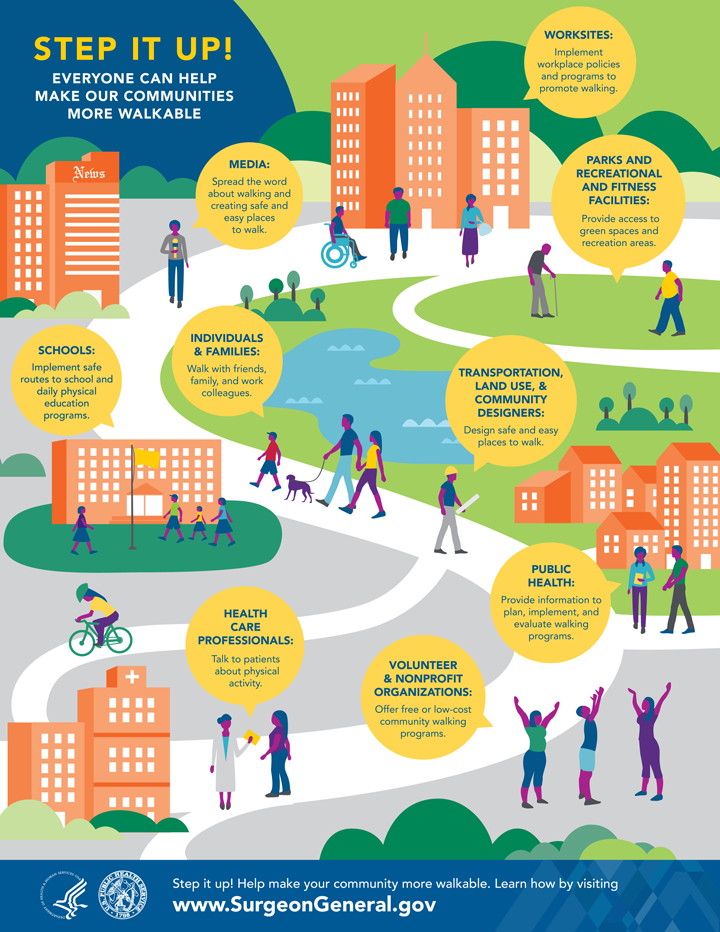
Improving walkability requires thoughtful urban planning and policy changes. Communities can advocate for better pedestrian infrastructure, such as sidewalks and crosswalks. Investing in public transportation and creating mixed-use developments can also enhance walkability. Community initiatives, like organizing walking groups or advocating for traffic-calming measures, play a crucial role too.
Personal Stories
Many residents of walkable neighborhoods report significant health improvements. For example, individuals who moved to such areas often find they engage in more physical activity and feel more connected to their community. These personal experiences highlight the transformative power of walkable living.
Future of Walkable Communities
The trend toward walkable communities is gaining momentum. Urban developers are increasingly recognizing the demand for walkable spaces. Innovations in technology, like apps that map out pedestrian-friendly routes, are also contributing. As cities continue to grow, the focus on creating walkable, livable spaces is likely to remain a priority.
Conclusion
Embracing a walkable lifestyle offers numerous health benefits, from improved physical health to enhanced mental well-being. By advocating for and supporting walkable communities, we can create healthier, happier, and more connected neighborhoods. So, next time you have the option, consider taking a stroll—you might be surprised at the positive impact it can have.